- No. 3-7, 2 Rio Tower, Persiaran Rio, Bandar Puteri
- +6016 276 2667
- Mon - Fri 9am - 6pm
- 3-7, 2 Rio Tower, Persiaran Rio, Bandar Puteri, 47100 Puchong, Selangor
- +6016 276 2667
- Mon to Fri | 9 am to 6 pm
The legal decisions made at the start of a solar or BESS project are the ones that are hardest to undo. How the project entity is structured, how the land or roof arrangement is documented, which solar scheme or BESS project model applies and what its regulatory requirements are — these are not administrative details. They determine whether the project can be developed, transferred, or sold years down the line.
Getting the legal groundwork right before a project breaks ground is not a cost. It is the foundation everything else is built on.
Shu Pin advises developers and investors at the project development stage across Malaysia’s solar schemes — the Large-Scale Solar (LSS) programme, the Corporate Renewable Energy Supply Scheme (CRESS), the Community Renewable Energy Aggregation Mechanism (CREAM), Solar ATAP, SELCO across residential, Commercial & Industrial (C&I) and utilities-scale projects — and across BESS and solar-plus-storage project structures.
Solar or BESS project development involves a series of legal decisions that must be made in the right sequence. A structure that works for one project model may not work for another. A land or site arrangement that seems straightforward at the heads of terms can create problems during development, operation or future transfer. Regulatory requirements vary by scheme, capacity, and whether the project involves foreign equity.
Shu Pin advises on the following at the project development stage:

Most solar projects in Malaysia are developed through a dedicated SPV. The SPV structure needs to reflect the scheme requirements, the equity arrangement between parties, any foreign ownership restrictions, and the financing structure. For Large-Scale Solar (LSS) projects, Malaysian equity interest of at least 51% is required — which has direct implications for how foreign investor participation is structured. Getting the SPV right at incorporation is significantly less expensive than restructuring it after a lender or regulatory authority raises an objection.

BESS is not just an add-on to a solar project. The structure must be clear from the start — standalone or solar-plus-storage. Site rights, safety requirements, grid connection, equipment supply, warranties, degradation, performance obligations and O&M responsibilities all need to be addressed before the project moves too far forward.

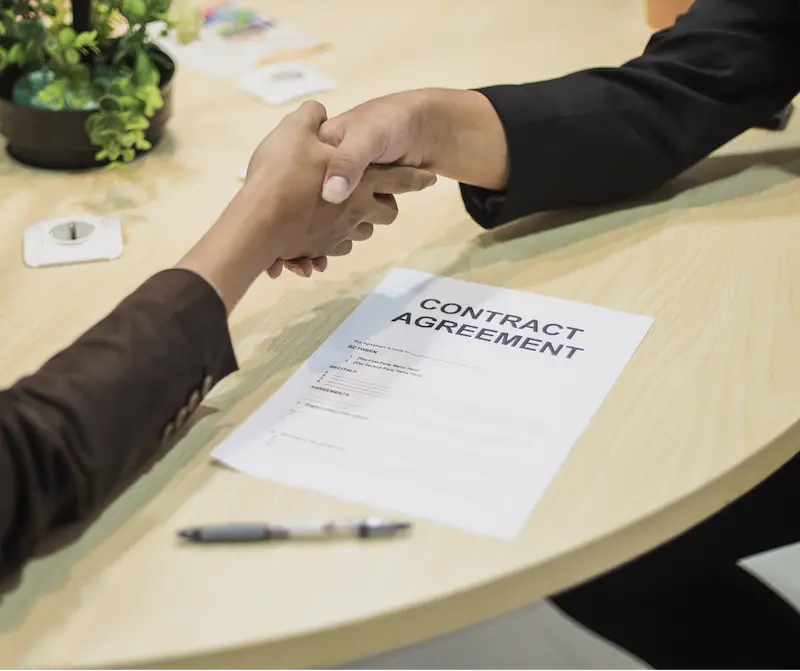
Where a project involves more than one investor or a developer-landowner joint venture, the shareholders’ agreement or joint venture agreement governs the relationship between parties — voting rights, reserved matters, funding obligations, exit mechanisms, and what happens if the project does not proceed as planned. These agreements are often negotiated quickly and under commercial pressure. Gaps in the drafting show up later, usually at the worst possible time.

Landowners earn passive income under long-term leases — typically 21 years for LSS projects — while title remains with the landowner. The legal documentation behind these arrangements must address lease duration and renewal, access rights, decommissioning obligations, what happens on default, and how the arrangement interacts with the project financing. A land lease agreement that does not address these points creates uncertainty for lenders and acquirers.

Before commencing operations, solar or BESS project developers must secure licences from Suruhanjaya Tenaga (ST), which regulates the generation, distribution, and sale of electricity, and where applicable, register with the Sustainable Energy Development Authority (SEDA) and Single Buyer. The licensing requirements, application process, and timeline vary by scheme and project capacity. Errors or omissions in the licensing process can delay commissioning or in the worst case, affect the project’s ability to operate, export or sell electricity under the applicable scheme.

Malaysia’s solar landscape now includes LSS, CRESS, CREAM, Solar ATAP and SELCO, and across residential, C&I and utilities- scale project structures — each with different regulatory requirements, contract frameworks, and commercial implications. The right scheme for a given project depends on the offtaker’s profile, the project’s capacity, and the investor’s objectives. Choosing the wrong scheme or attempting to change it mid-development creates legal and commercial disruption that is difficult and expensive to resolve.
Shu Pin’s starting point is always the project, not the contract. Before any documentation is drafted, she works with developers and investors to understand the project whether it involves solar, BESS or both, the applicable solar scheme, commercial arrangement, project timeline and allocation of roles.
From that starting point, the legal work is sequenced to match the project timeline — SPV incorporation, shareholders’ or joint venture agreement, land or roof lease, regulatory applications, and the commercial contracts that follow. The goal is a project structure that is clean, compliant, and built to survive regulatory review, and eventual transfer or sale.
Where a project involves foreign investors, Shu Pin advises on the equity structuring requirements, and the regulatory compliance considerations that are specific to cross-border solar investment in Malaysia.
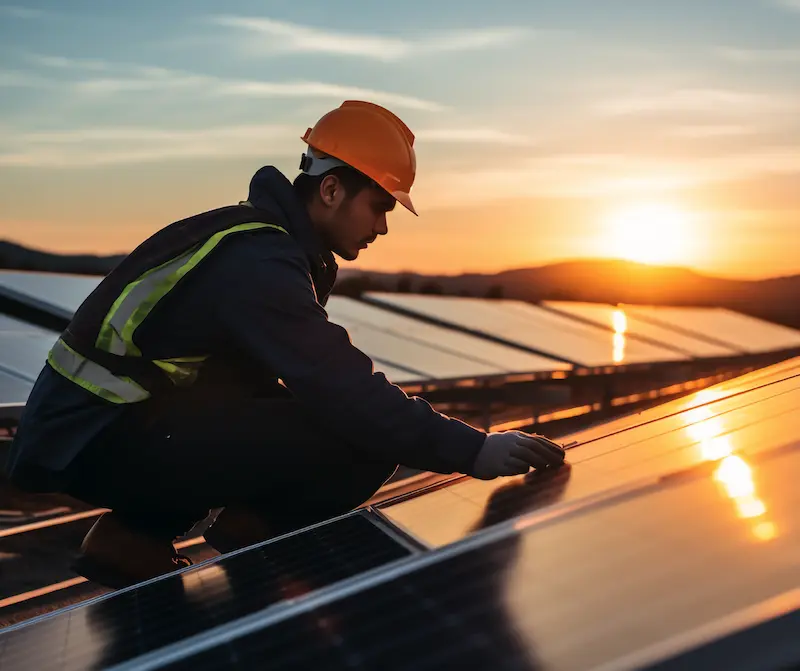
This service is for developers and investors who are at the start of a solar or BESS project and want the legal foundation in place before commercial commitments are made.
It is also for projects that have already started but where the structuring decisions made early have created complications — a shareholders’ agreement with gaps, a scheme registration that does not match the project structure. These situations are resolvable. The earlier they are addressed, the less disruptive the fix.
An engagement at the project development stage typically begins with a conversation about the project — the scheme, the parties, the land or roof arrangement, and where the project currently sits in the development timeline. Shu Pin will give an honest assessment of the legal work required and flag any structural issues that need to be addressed before the project can proceed.
From there, the scope of work is agreed and the legal documentation is produced in the sequence the project requires. Shu Pin leads the work personally and works closely with the team throughout the matter.
If you are at an early stage and unsure whether legal support is needed yet, that is usually the most useful time to ask. The questions that arise at the development stage are far less expensive to answer before the project structure is committed to.
Most solar and BESS projects in Malaysia are developed through a Special Purpose Vehicle (SPV) — a company incorporated specifically for the project. The SPV structure must reflect the requirements of the relevant solar scheme, the equity arrangement between parties, any foreign ownership restrictions, and the financing structure. For LSS projects, at least 51% Malaysian equity is required. The SPV’s constitution, shareholders’ agreement, and any joint venture arrangements need to be aligned from the outset — misalignment between these documents creates problems in governance, project control and future transfer.
The documents depend on the scheme and structure, but commonly include term sheets, shareholders’ or joint venture agreements, land or roof lease agreements, PPAs or BESCs, EPCC contracts, O&M agreements, regulatory application documents, authority approvals and corporate approvals. The documents should be aligned so that the project can move from development to construction and operation without legal gaps.
Licensing requirements depend on the scheme and project capacity. Developers must obtain a licence from Suruhanjaya Tenaga (ST) under the Electricity Supply Act 1990 before commencing operations. Projects participating in CRESS, CREAM, or LSS also have scheme-specific registration and compliance requirements with SEDA, the Energy Commission and Single Buyer (where applicable). The application process, required documentation, and timelines differ across schemes. Missing a licensing requirement can delay commissioning and affect the project’s ability to operate, export or sell electricity under the applicable scheme.
Yes, with specific requirements. Generally, for LSS projects, at least 51% Malaysian equity is required in the project entity. Other schemes may have their own equity and participation requirements. Foreign investors typically structure their participation through a joint venture with a local partner, with the equity and governance arrangements documented in a shareholders’ or joint venture agreement. The structure needs to satisfy both the scheme requirements and the investor’s commercial objectives.
These are distinct solar schemes in Malaysia, each serving different project types and offtakers. The Large-Scale Solar (LSS) programme involves selling electricity to Tenaga Nasional Berhad (TNB) under a long-term Power Purchase Agreement (PPA). The Corporate Renewable Energy Supply Scheme (CRESS) allows corporates to procure renewable energy from Renewable Energy Developer under a Bilateral Energy Supply Contract (BESC). The Community Renewable Energy Aggregation Mechanism (CREAM) aggregates rooftop solar from multiple sites for collective sale. Solar ATAP is a rooftop solar scheme that replaced Net Energy Metering (NEM). It allows homes and businesses to install solar panels, generate electricity for self-consumption, and export excess power to TNB grid for bill credits. Each scheme has different regulatory requirements, contract frameworks, and commercial implications — the right scheme depends on the project’s profile and the parties involved.
Start by structuring the deal before drafting the PPA. If you move from EPCC work into PPA ownership, your risk changes. You are no longer only building the system. You are owning the asset, selling electricity, carrying payment risk, maintaining the system and staying tied to the offtaker for years. The PPA must be built around that model — tariff, tenure, ownership, payment, access, performance, O&M, insurance, warranties, default, termination and transfer rights. A solar PPA is not just an installation contract with a tariff added in. It is the legal structure for long-term asset ownership and energy sale.
The documents depend on whether the BESS is standalone, paired with solar, installed within a customer’s premises or connected to the grid. Common documents include the project term sheet, land or site arrangement, EPCC contract, equipment supply agreement, O&M agreement, warranty or long-term service arrangement, corporate approvals and any storage service or commercial arrangement relevant to the project model.
No. BESS may be connected to a solar project, but the legal risks are different. BESS documentation needs to address equipment supply, installation, safety, fire risk, grid connection, system availability, battery degradation, warranties, performance testing, O&M obligations, replacement responsibility and what happens if the system does not perform as expected. The structure should be clear before the project moves too far forward.

We engaged Shu Pin & Associates to assist with the drafting of a Roof Leasing Agreement and Bilateral Energy Supply Contract for our CREAM project. Shu Pin is familiar with the solar industry and understood the project structure and key commercial issues from the outset. We did not need to spend much time explaining the industry background, which made the whole process more efficient. Her advice was practical, clear and relevant to the project.
Wai SM, Sales Manager, H2 Sunergy Sdn Bhd
Tell us where you are. Shu Pin will give you an honest assessment of the legal work required and flag anything that needs to be addressed before your project structure is committed to.
Malaysia’s Dedicated Renewable Energy Legal Practice.
We help you get the contract structure right before the risk becomes real.